Temporary Housing After a House Fire: What to Do in the First Week
Garr Russell
CEO, Fireside RV Rental · Updated July 12, 2026
A house fire is the one displacement where the first night and the next six months collide. You need somewhere to sleep tonight, but the housing decision that actually matters is the one for the months of restoration ahead — and most families make the second decision under the panic of the first.
The first 48 hours
- Emergency lodging. The Red Cross and local emergency services often cover the first night or two. Don't sign a long hotel commitment yet.
- Call your carrier and open the claim. Ask specifically about Additional Living Expenses and your nightly lodging cap before booking anything — see does homeowners insurance pay for a hotel?
- Get a restoration contractor on-site. Their timeline drives your housing choice.
What your insurance covers
Fire is a covered peril, so your policy's ALE / Loss of Use coverage reimburses reasonable temporary housing and the increased cost of living — food, pet boarding, storage — while the home is uninhabitable. It runs until the home is repaired or the time/dollar limit is reached.
Choosing housing for a months-long timeline
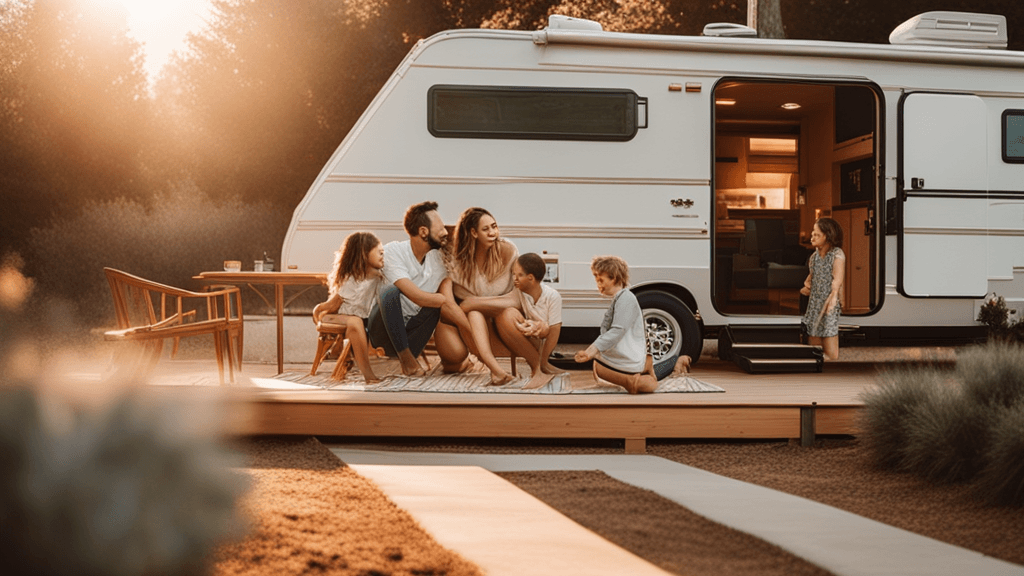
Fire restoration is rarely quick. Because the same ALE limit has to cover the whole repair, the nightly math matters more here than in any other loss. An extended-stay hotel is convenient for a week and punishing for six months — high nightly rate, no kitchen, pets often unwelcome. An on-site RV on your own property keeps the kids in their school, the dog with the family, and a real kitchen in play, usually at a lower monthly cost that stretches the coverage further.
If your lot is standing and accessible even though the house isn't, staying on your property is often the most stabilizing choice a family can make. Tell us what happened on the request page and we'll help you sort the housing while you deal with everything else.
Frequently asked questions
Where do I stay the night of a house fire?
The Red Cross and local emergency services can arrange emergency lodging the first night or two. After that, your homeowners insurance's Additional Living Expenses coverage takes over for a covered fire, reimbursing a hotel, rental, or on-site RV while your home is repaired.
How long does fire restoration take?
Smoke and minor fire damage may take a few weeks; a significant structural fire commonly takes several months to a year. Ask your restoration contractor for an estimated timeline early, because it determines which temporary housing option makes the most financial sense.
Does insurance pay for housing after a fire?
Yes. Fire is a covered peril on standard homeowners policies, so Additional Living Expenses (Loss of Use) coverage reimburses reasonable temporary housing while your home is uninhabitable, up to the policy's limit.