Temporary Housing After a Disaster: Your Options When You Can't Go Home
A practical guide to temporary housing after a fire, flood, or major home repair — how insurance pays for it, what your options are (hotel, rental, on-site RV), and how to keep your family stable while your home is restored.
The first 48 hours after you're displaced are chaos, and the decisions you make in them — where to sleep tonight, what to do with the dog, whether to book a hotel — quietly shape the next several months. This guide is the map I wish more families had on day one.
First: is your housing covered?
If a covered loss — fire, many water losses, a storm — made your home uninhabitable, your policy's Additional Living Expenses (ALE) coverage pays the reasonable increase in your living costs while you're out. That includes lodging, extra food costs, pet boarding, and storage. It does not cover your mortgage, and it only applies to covered perils. The cause of the loss determines everything downstream.
Your temporary housing options
| Option | Best for | Watch out for |
|---|---|---|
| Extended-stay hotel | Short displacements, city centers | No kitchen; nightly caps; pets restricted |
| Short-term rental / corporate apartment | Medium stays, larger families | Availability; lease minimums; off your property |
| Staying with family | Very short gaps | Space and strain; may not be reimbursable |
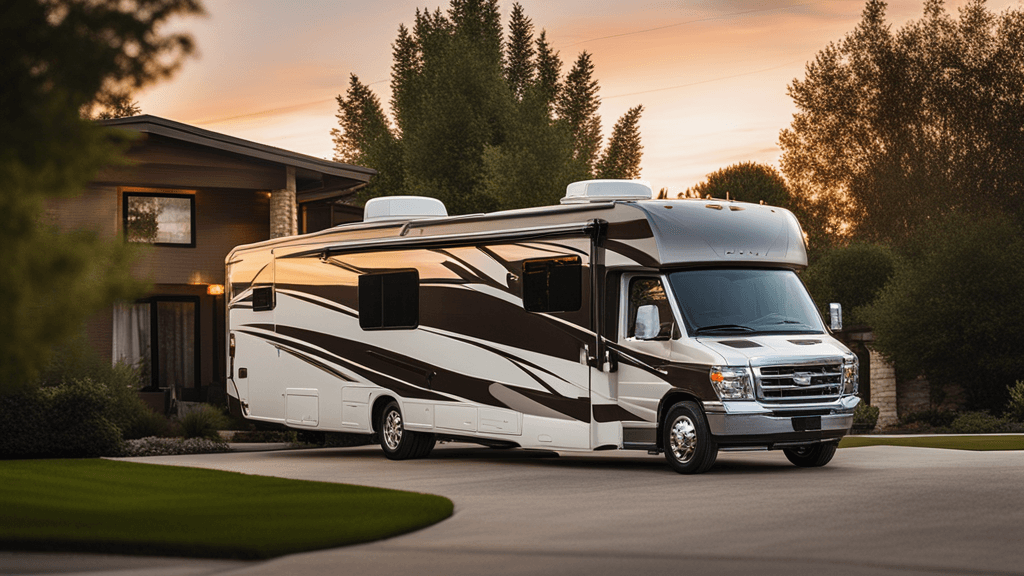
| On-site RV (delivered) | Multi-month repairs; families with pets/kids | Needs driveway space or a nearby site |
For anything measured in months, the on-site RV option tends to win on cost and stability because you stay on your own lot with a real kitchen.
Situations we help with
- Temporary housing after a house fire
- Temporary housing after a flood or water damage
- Comparing on-site RV vs. hotel vs. corporate apartment
- Temporary housing with pets
How to keep your family stable
The households that come through displacement best tend to do the same few things: get a repair timeline early, confirm the ALE limit with the adjuster, and pick housing that protects routine — schools, commutes, pets — not just a place to sleep. If your home is on its own lot, staying on the property is usually the most stabilizing choice. Tell us your situation on the request page and we'll walk you through it.
In this guide
Temporary Housing With Pets: Keeping the Whole Family Together After a Loss
Hotels restrict pets and boarding is brutal. How ALE treats pets, and why on-site housing keeps everyone together.
ReadTemporary Housing During a Renovation: When to Move Out (and Where To Go)
Should you move out during a remodel? How to decide, what it costs, and how to stay on-site while the work happens.
ReadTemporary Housing After a House Fire: What to Do in the First Week
Where to stay tonight, what insurance covers, and how to choose housing that lasts through months of fire restoration.
ReadTemporary Housing After a Flood or Water Damage: What Insurance Covers
Water losses hinge on the cause. What's covered, why they run long, and how to house your family through the rebuild.
ReadTemporary Housing After a Tornado: Housing a Family When the Home Is Gone
Tornado damage is usually covered wind — so ALE pays for housing. What to expect when it's a total loss and the town is hit.
ReadTemporary Housing After a Hurricane: Wind, Flood, and the Coverage Gap
Wind or flood? After a hurricane that split decides your coverage. How to tell, and how to house your family when hotels are gone.
ReadOn-Site RV vs. Hotel vs. Corporate Apartment: Which Temporary Housing Wins?
Hotel, corporate apartment, or on-site RV? A head-to-head on cost, kitchen, pets, and how long your coverage lasts.
ReadDisplaced From Your Home? A Calm, Practical First-Week Checklist
A calm, in-order checklist for the first week out of your home — safety, insurance, documentation, and stable housing.
ReadHow Long Does Home Restoration Take After a Fire or Flood?
Weeks to a year, depending on the loss. A realistic timeline breakdown — and why it decides your housing choice.
ReadEmergency Housing Assistance After a Disaster: Where to Turn First
The first-days playbook: Red Cross, FEMA, and local help — then how insurance takes over for the long rebuild.
Read